
By Shayne McQuade.
Thanks to the generosity of our Kickstarter backers, we have over 160 Shine Solar Lights to send to Nicaragua for donation to families without electricity. To get things started, I spent a few days working with our local partner, the Fabretto organization, who have agreed to lead the installation efforts. All images credited to our local Nicaragua photographer, Rosa Lisseth Umanzor Diaz.
The first installations were around Ocotal, about 5 hours north of Managua. From there we drove an hour along tracks that fully tested our 4WD, before hiking into the hills to reach sparsely scattered mud brick homes.
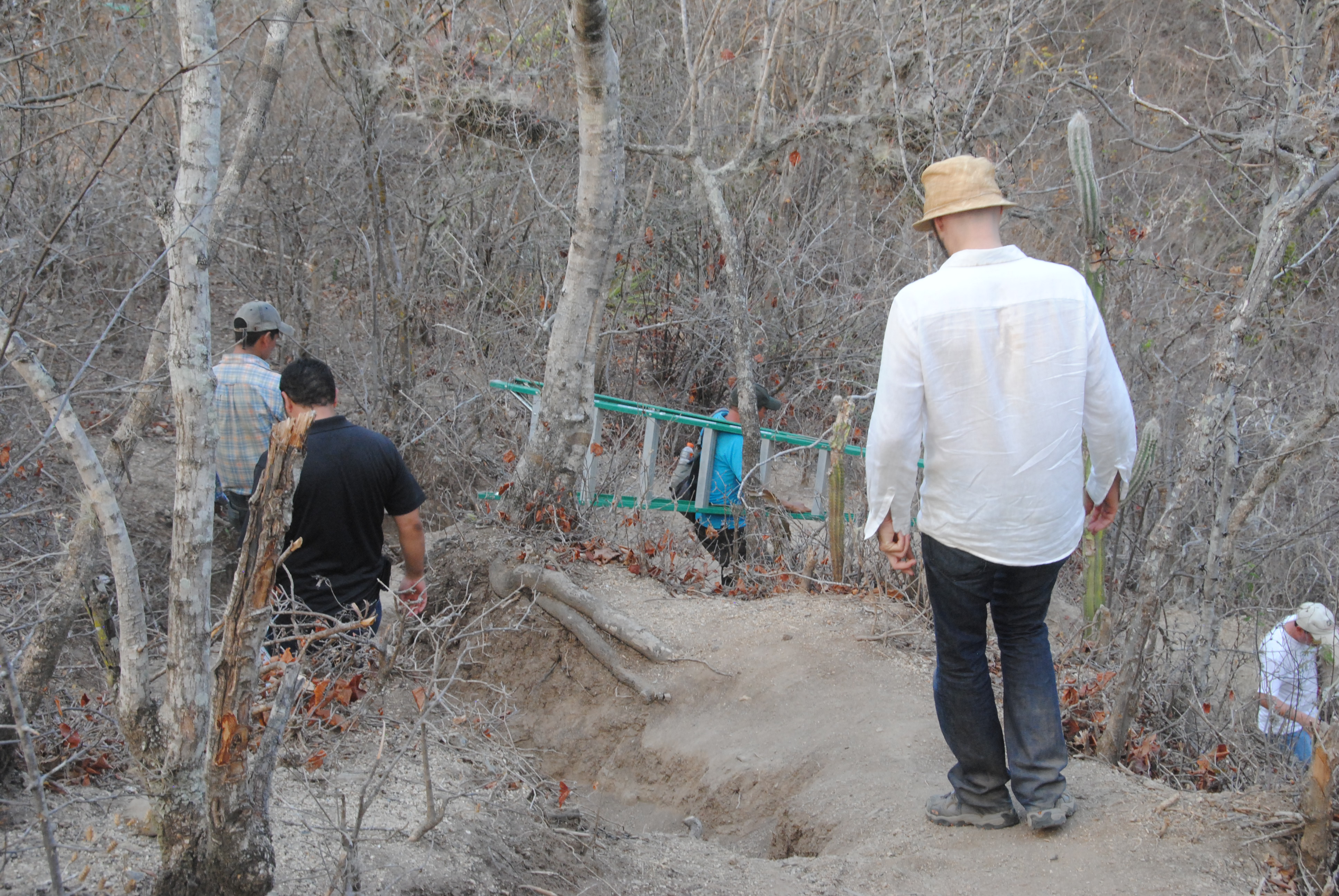
The hike was steep and hot, but there were no complaints, we were conscious the kids walk the same paths to get to school every day, and still have miles to go when they get to the 4WD track. The video below shows what this means for one little girl.
Just getting to the homes demonstrated the scope of the installation work ahead of us. Fortunately Fabretto has local staff and is committed to getting this done. When we got to the first house and met the owner I did notice he was holding a machete, but launched into an enthusiastic explanation of the Shine, in my limited Spanish. Fortunately he loved it and was happy for us to go to work, although after that the Fabretto guys did the explaining.
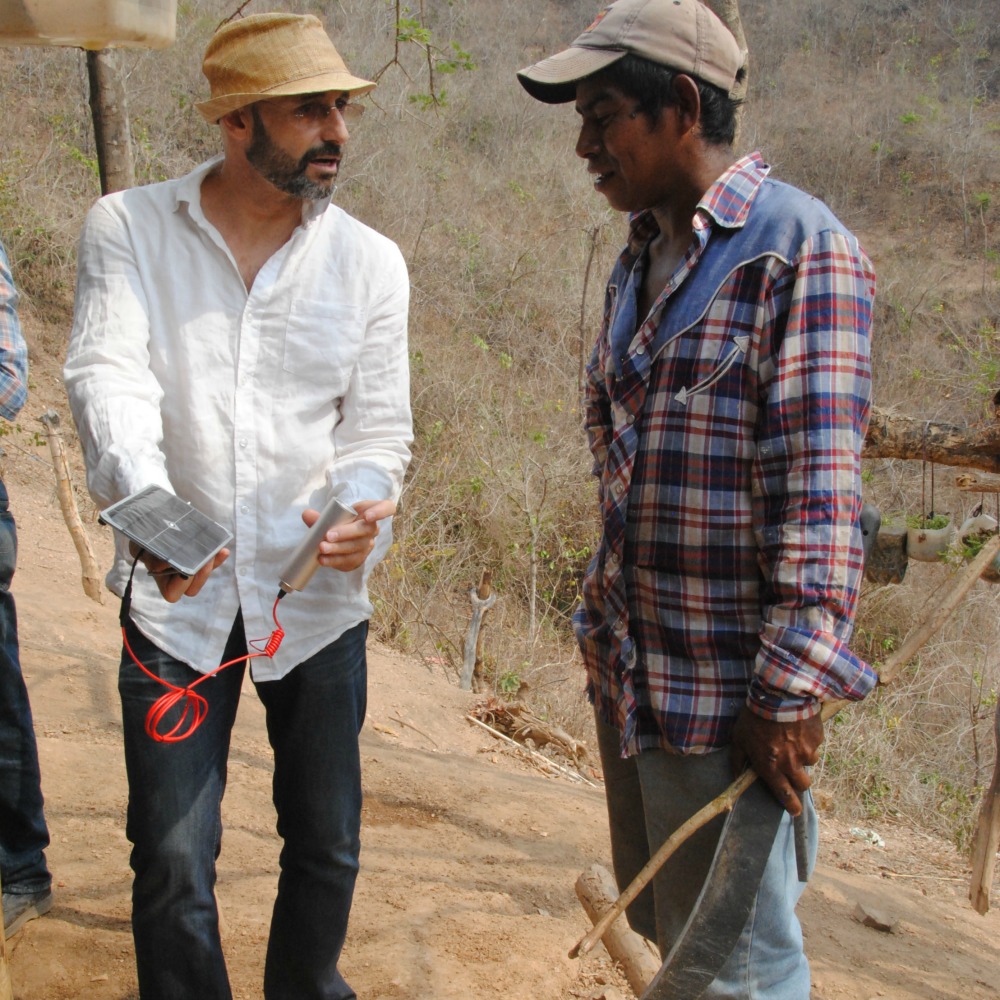
Explaining the Shine
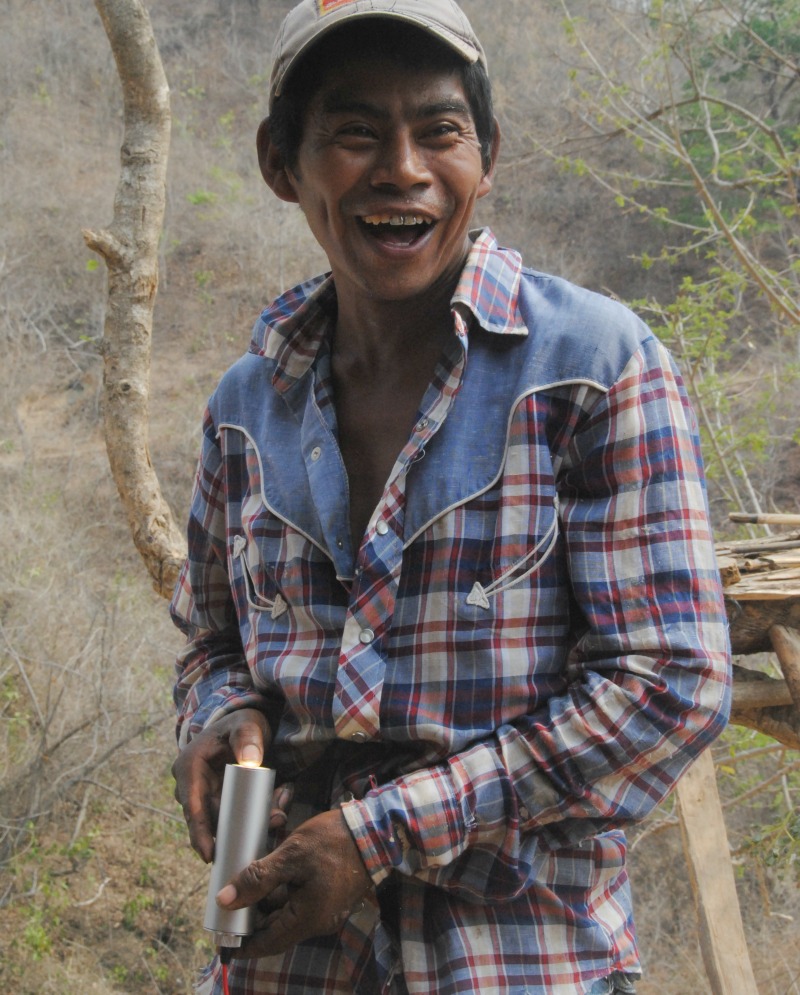
Our first happy customer
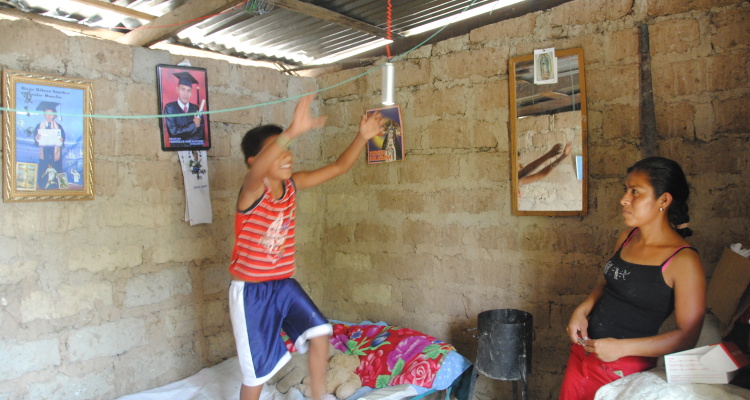
This home was typical of most of the ones we saw. Mud brick walls, dirt floors, leaky tin roofs supported by struts made from small local trees. Bedrooms were typically about 10’x10’ and would often sleep a family of 2-6. One home in our survey had 12 family members in two bedrooms. The limited possessions the family had would be hanging on the walls out of the dirt.
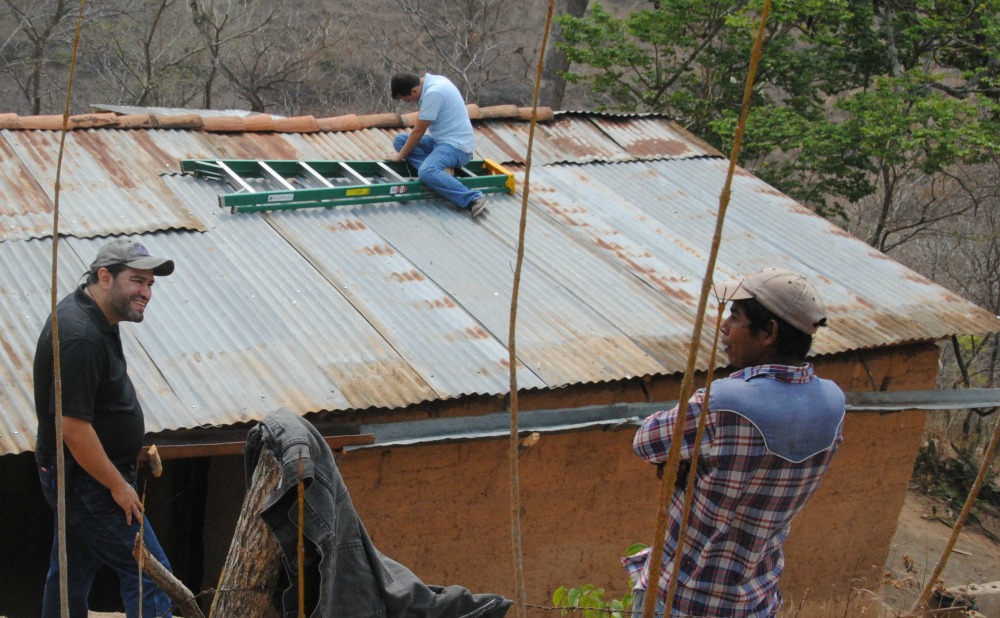
Installing the first panel on the roof
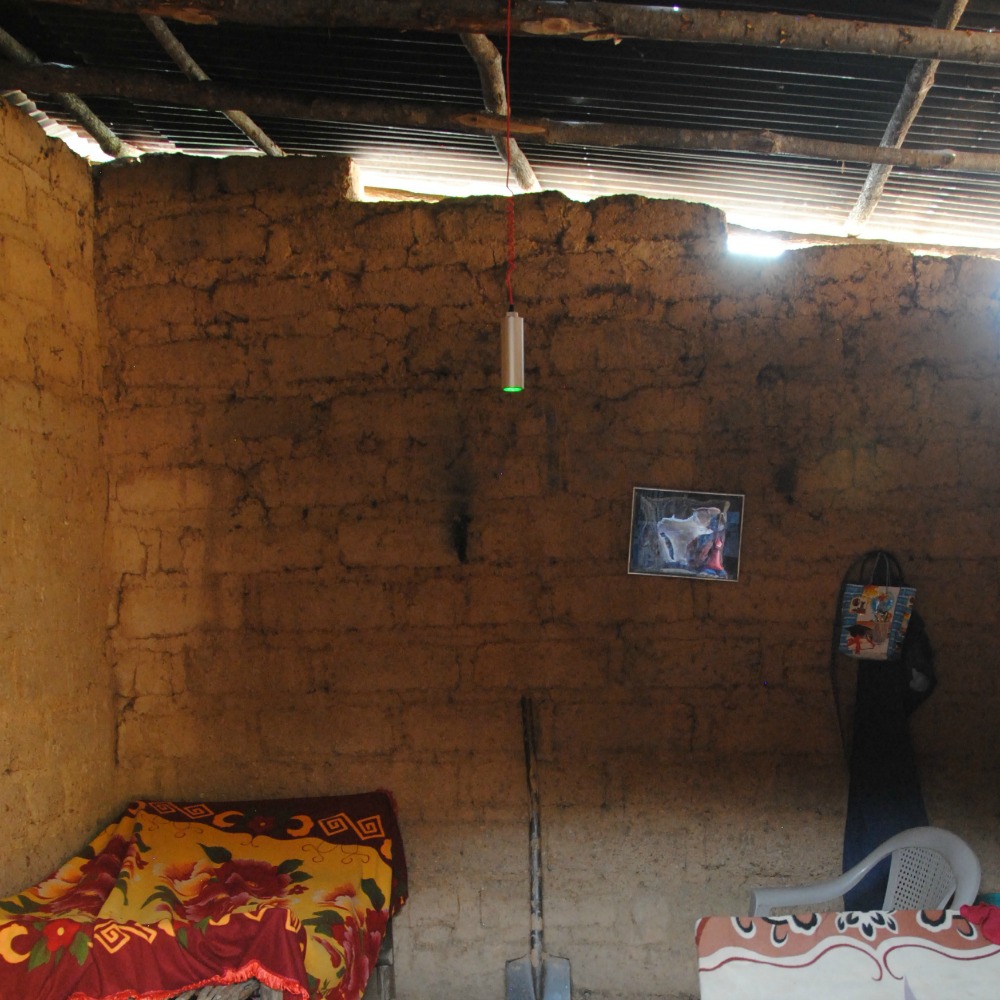
The green indicator light shows the battery is charging
There were usually chickens, pigs and some very skinny dogs milling around.
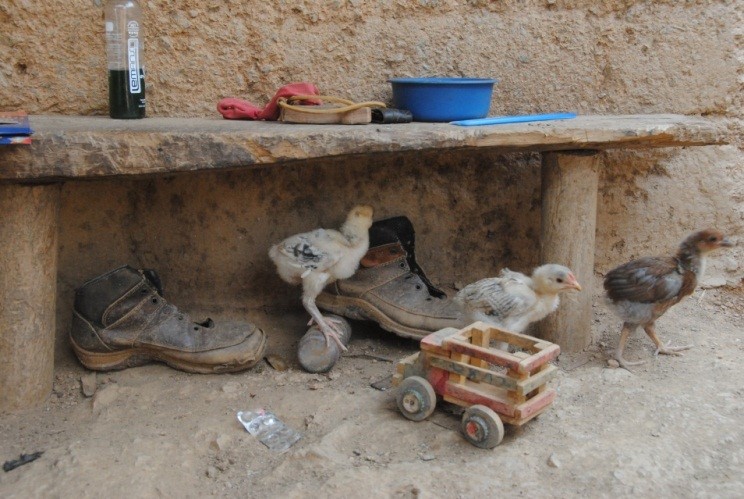 Kitchens were separate rooms since they were very smoky from the wood fires used for cooking.
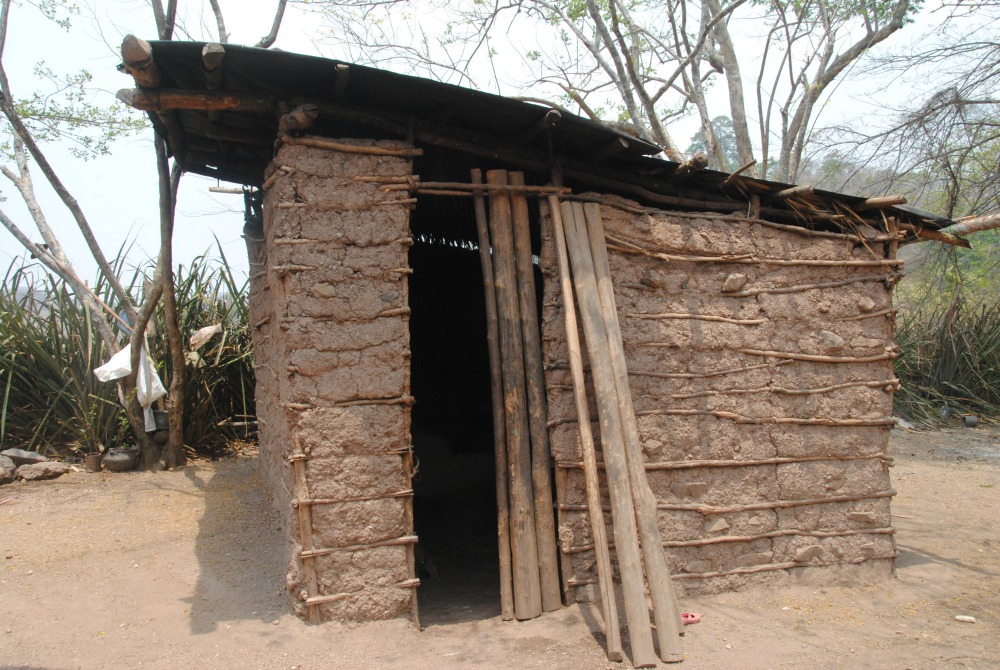
A separate kitchen where we installed a light
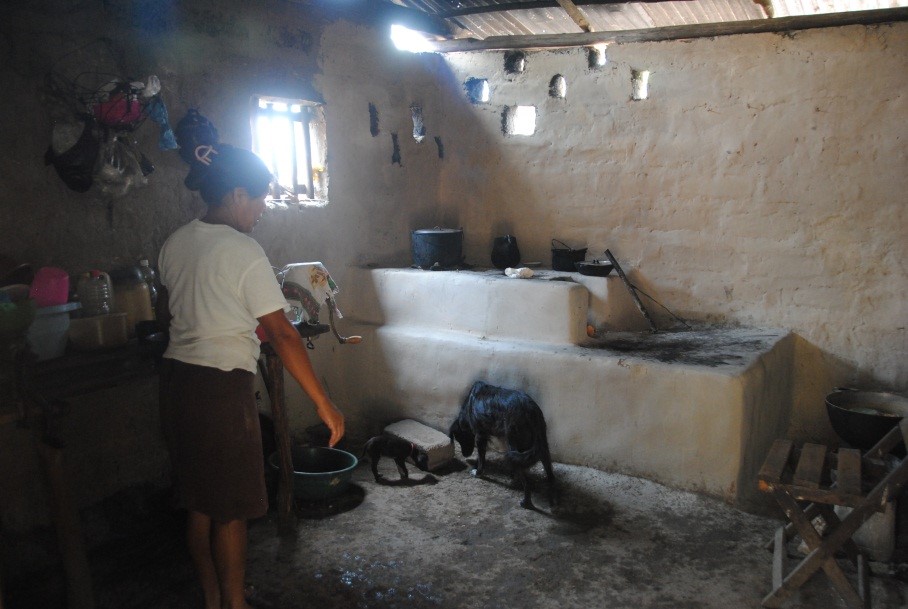
Inside a typical kitchen with wood burning stove
We proceeded with more installations over the course of the day with the local school teacher as our guide. Her home was on the list. She had been spending up to $8 a month on batteries for a flashlight (a big chunk of the $90 minimum monthly wage for teachers). As she explained this, she was clearly relieved to have a better option.
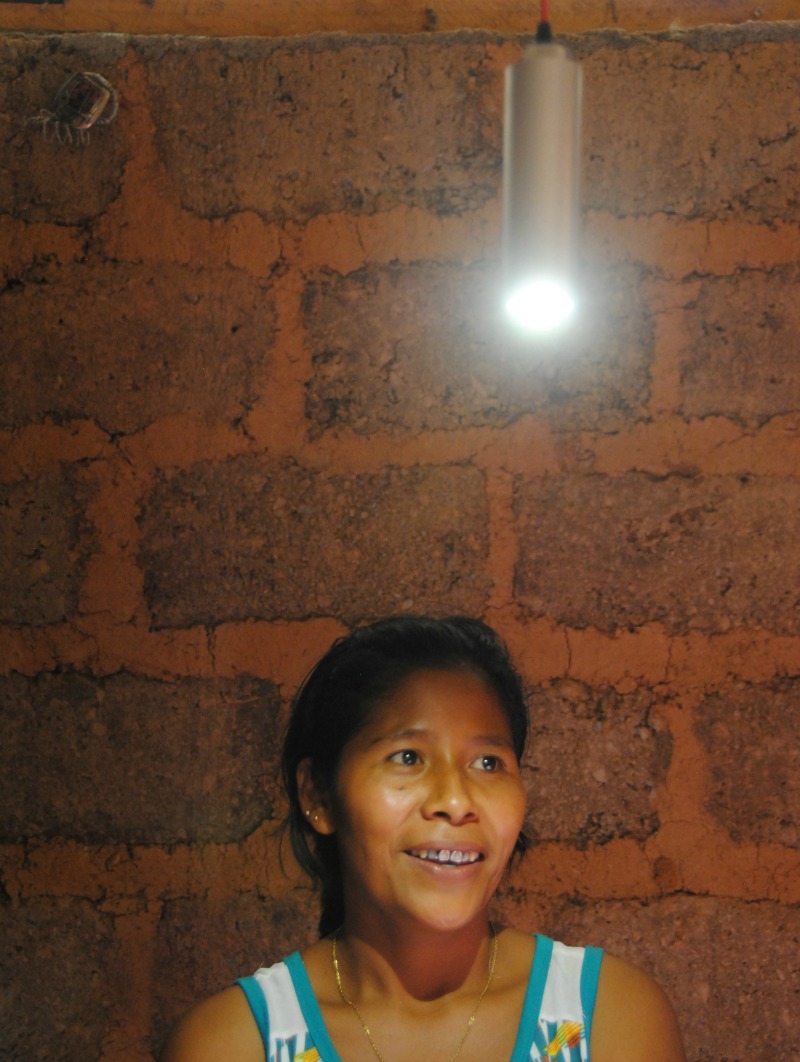
Our guide on the first day
More often the Shine was replacing rudimentary kerosene lights and sometimes candles. From our survey families were spending $5-9 a month on lighting, although in many cases it seemed the 6pm sunset was effectively the end of the day.
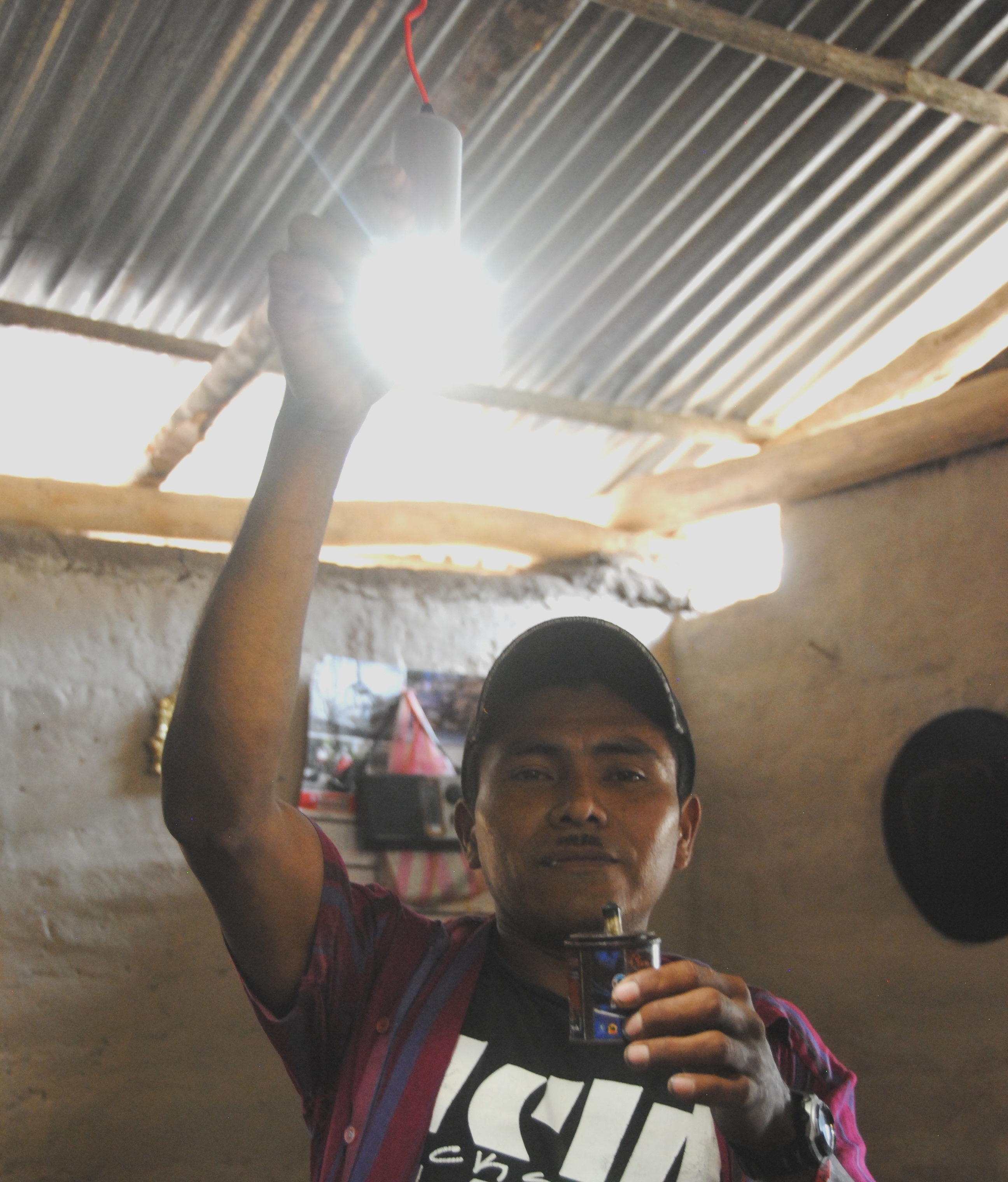
The kerosene lamp we replaced was made from an old paint tin
Generally we secured the panel to the tin roofs with a single screw through the center hole. The brackets proved unnecessary since the roofs were already pitched. In other cases we used zip ties and magnets. There was no issue running the wires through the gaps to power the lights inside.
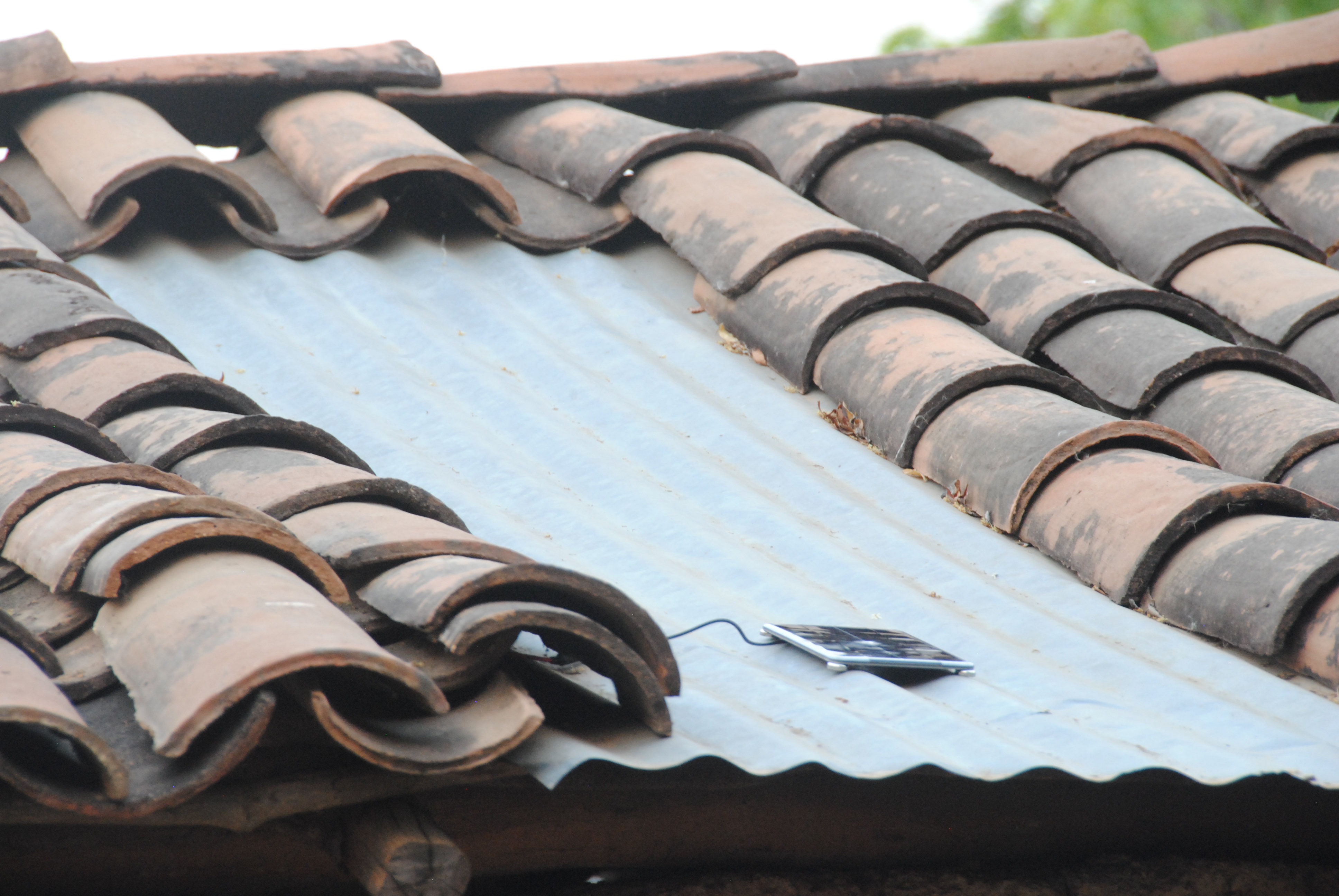
Here we used magnets to attach the panel to the tin and ran the cable under the tiles
There had been previous attempts to roll out solar power to some of these homes. Many of them used larger panels, with lead acid batteries making a big investment installing lights sockets, switches etc. Sadly about half of the systems we saw had failed relatively quickly. The panels were probably still functional, but the systems were complex, so a simple connection failure would be enough to make them useless.
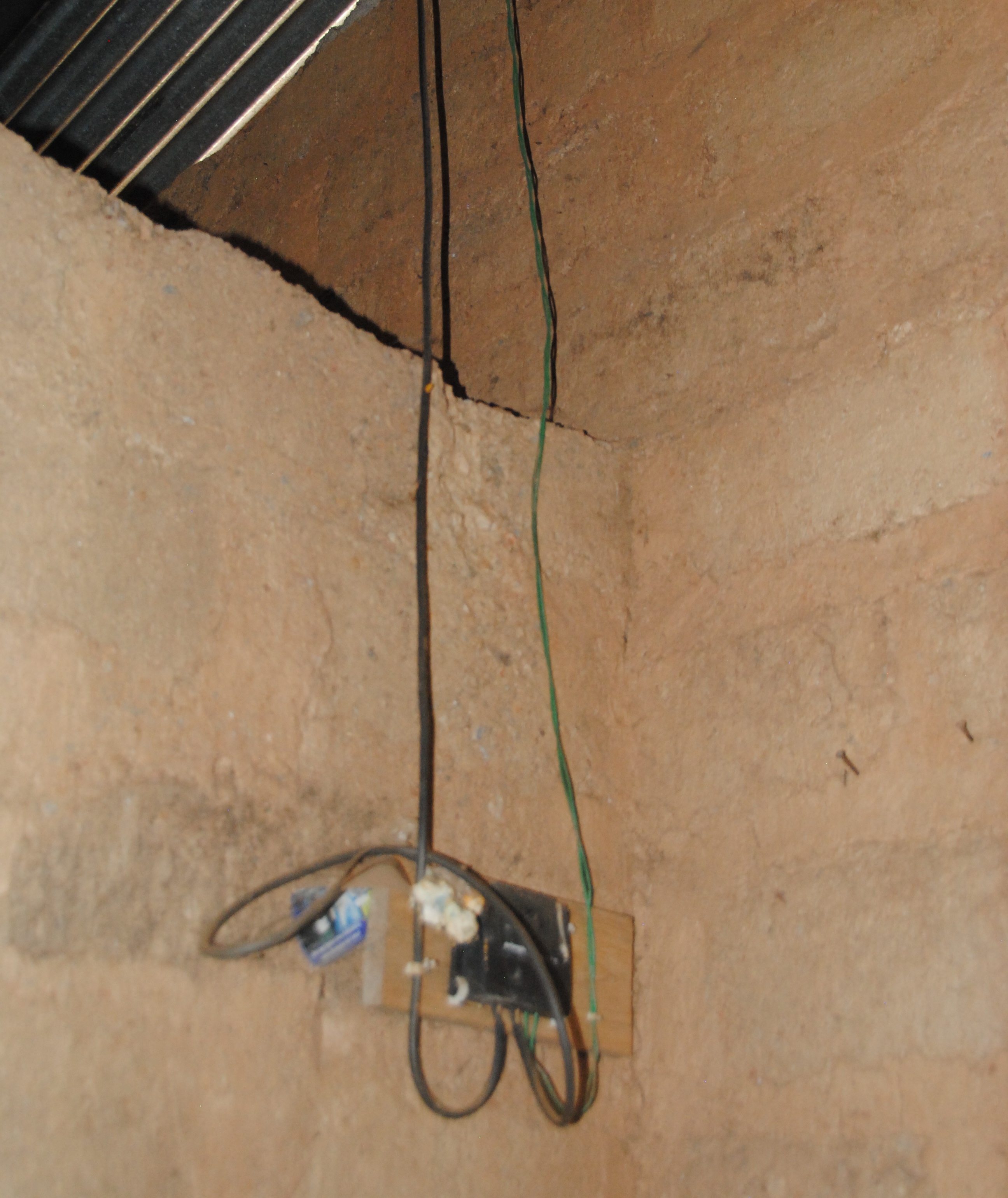
The solar panel on the roof led to a charge controller but no battery
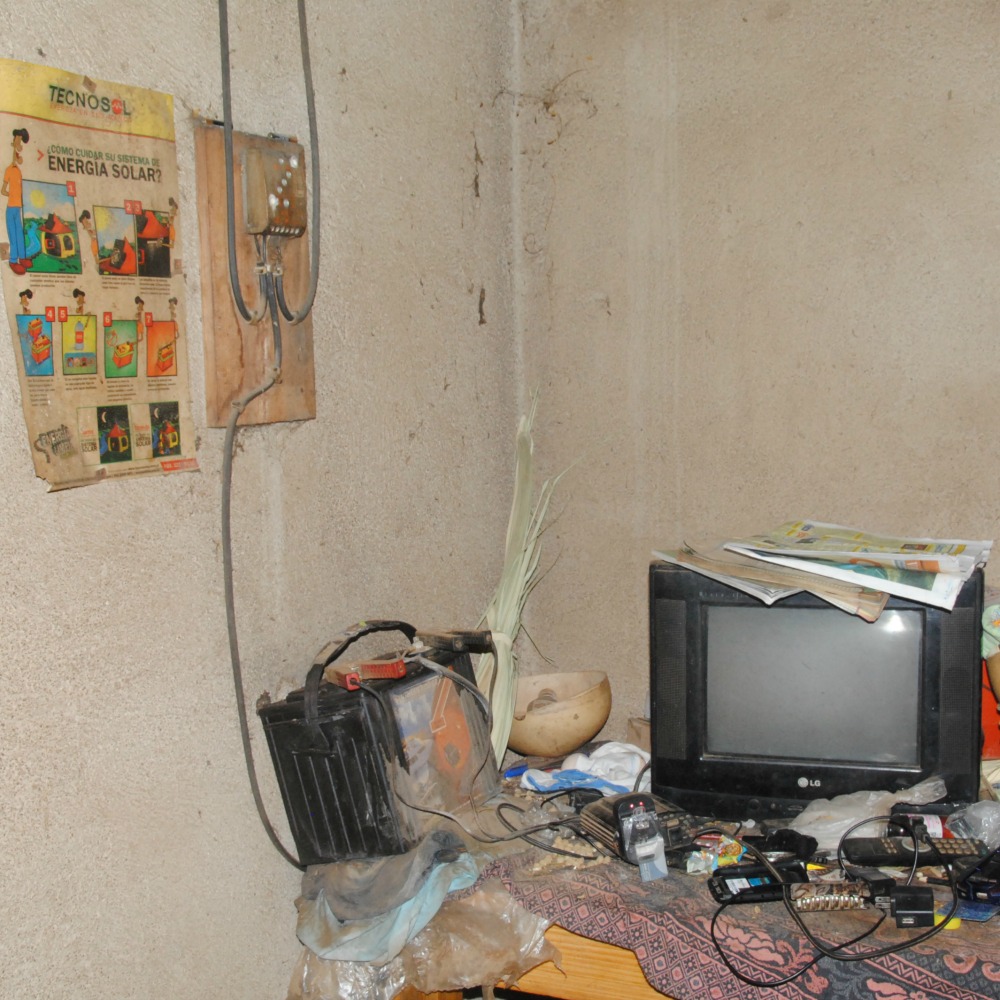
This system was working, it used multiple inverters to charge a cell phone battery
Cell phone charging was definitely valuable to many of the people we met, many had basic phones along with the USB cables to charge them. Where they had no power at home, they would rely on others with solar systems, and were happy to have an easier option.
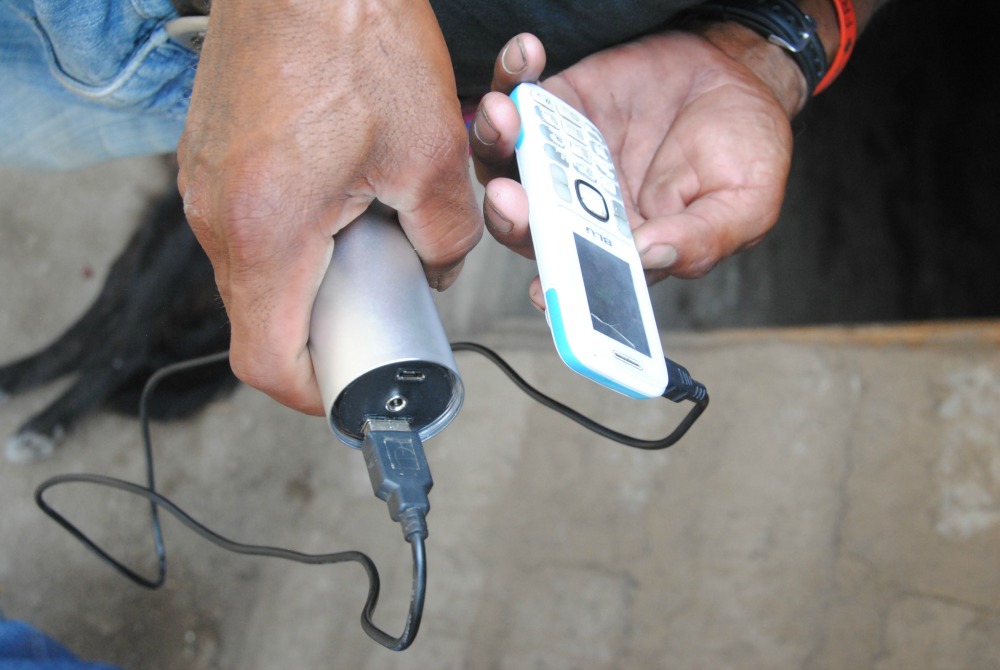
Cell phones were common, but basic models
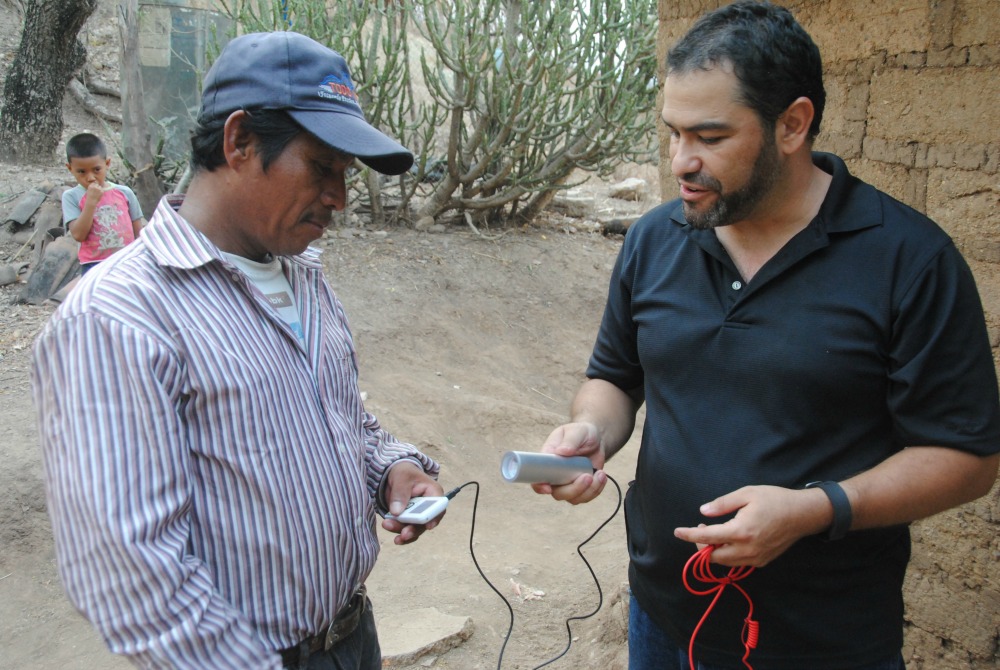
Cesar explaining cell phone charging from the Shine
Surprisingly, two of the schools we visited had no electricity. Teachers described parent teacher meetings conducted in the dark and not being unable to work past 6pm.
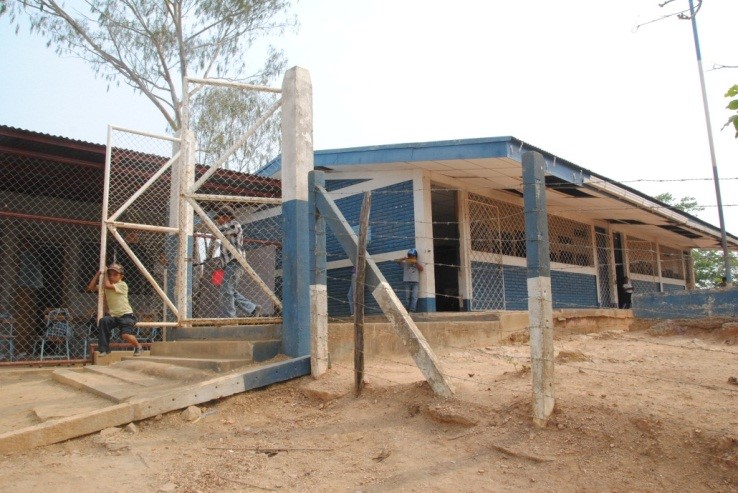
A government school with no electricity where we installed a Shine
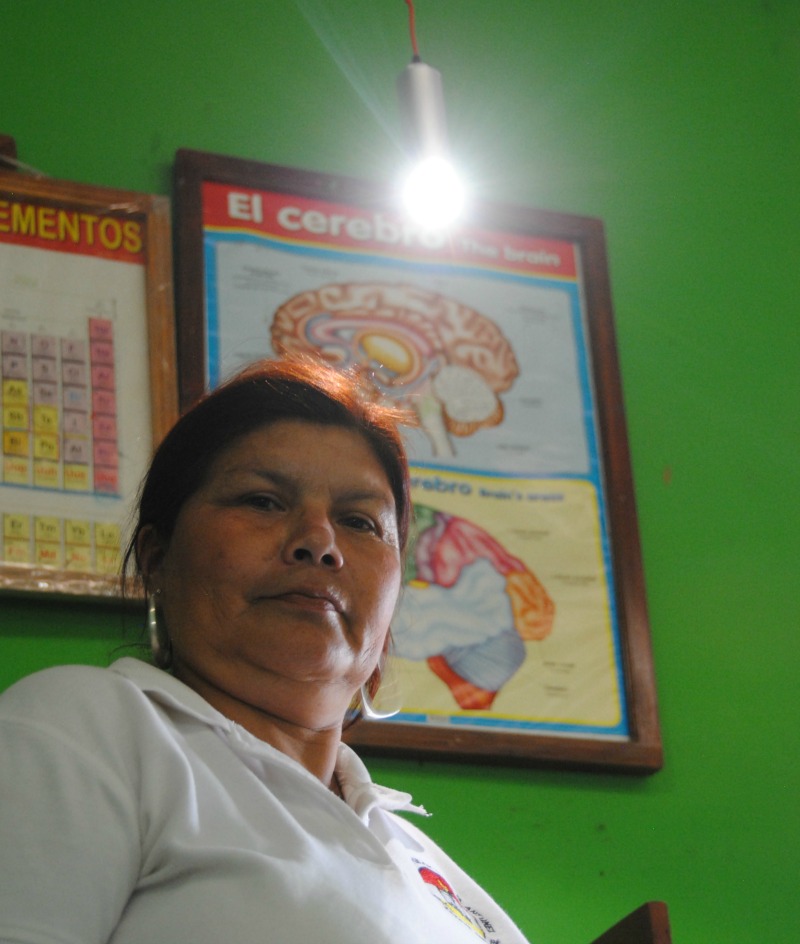
Another school where the principal’s office now has light
Despite the limited resources in the schools, it was clear visiting the homes how much parents valued the education of their kids. If the walls had any decoration it was typically academic photos. Families that had almost nothing still found a way to make sure the kids had uniforms. I was struck by one father who when asked where he wanted the light, took us immediately to an area set aside for his daughter to study. There were several other rooms with no electricity, but this was his priority. She had received a scholarship from Fabretto to go to the local university where she was studying English. Sadly, she only seemed to have one book, a Spanish-English dictionary.
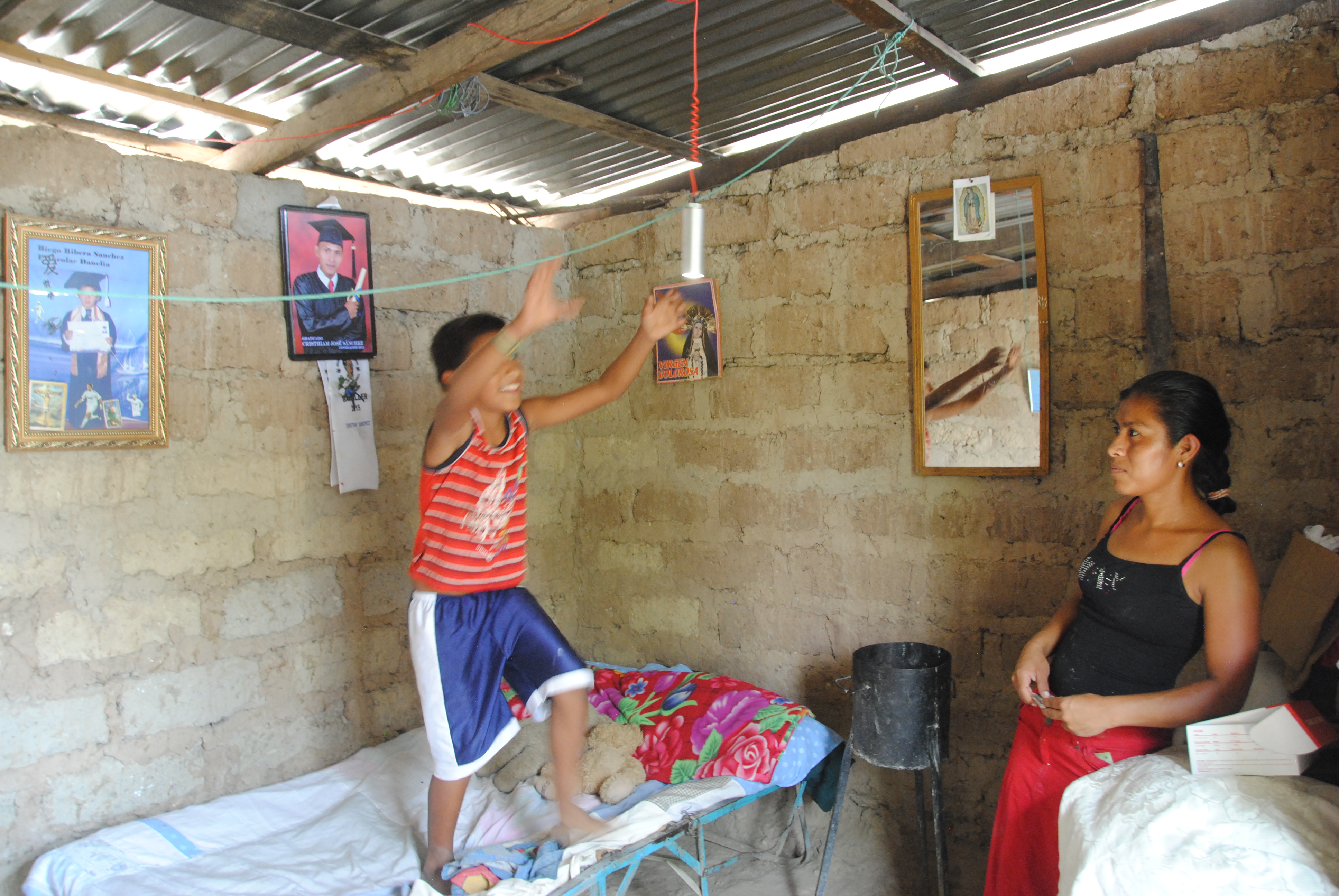
The academic photos on the walls were the most common decoration we saw
We also did some installations closer to Ocotal where, despite the proximity to the electrical grid, there were many homes in the poorer areas that went without because they could not afford the connection.
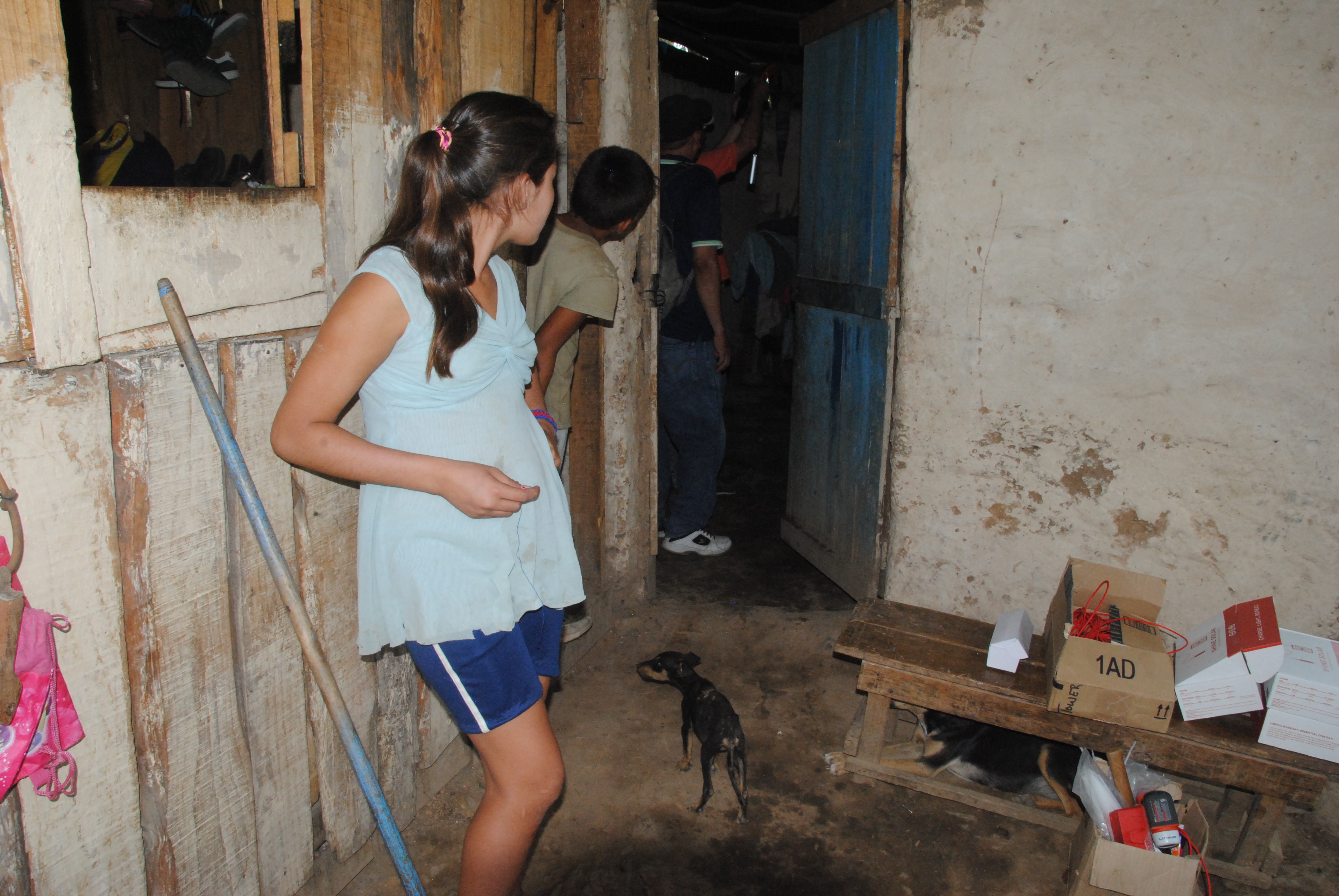
One of the homes on the outskirts of Ocotal
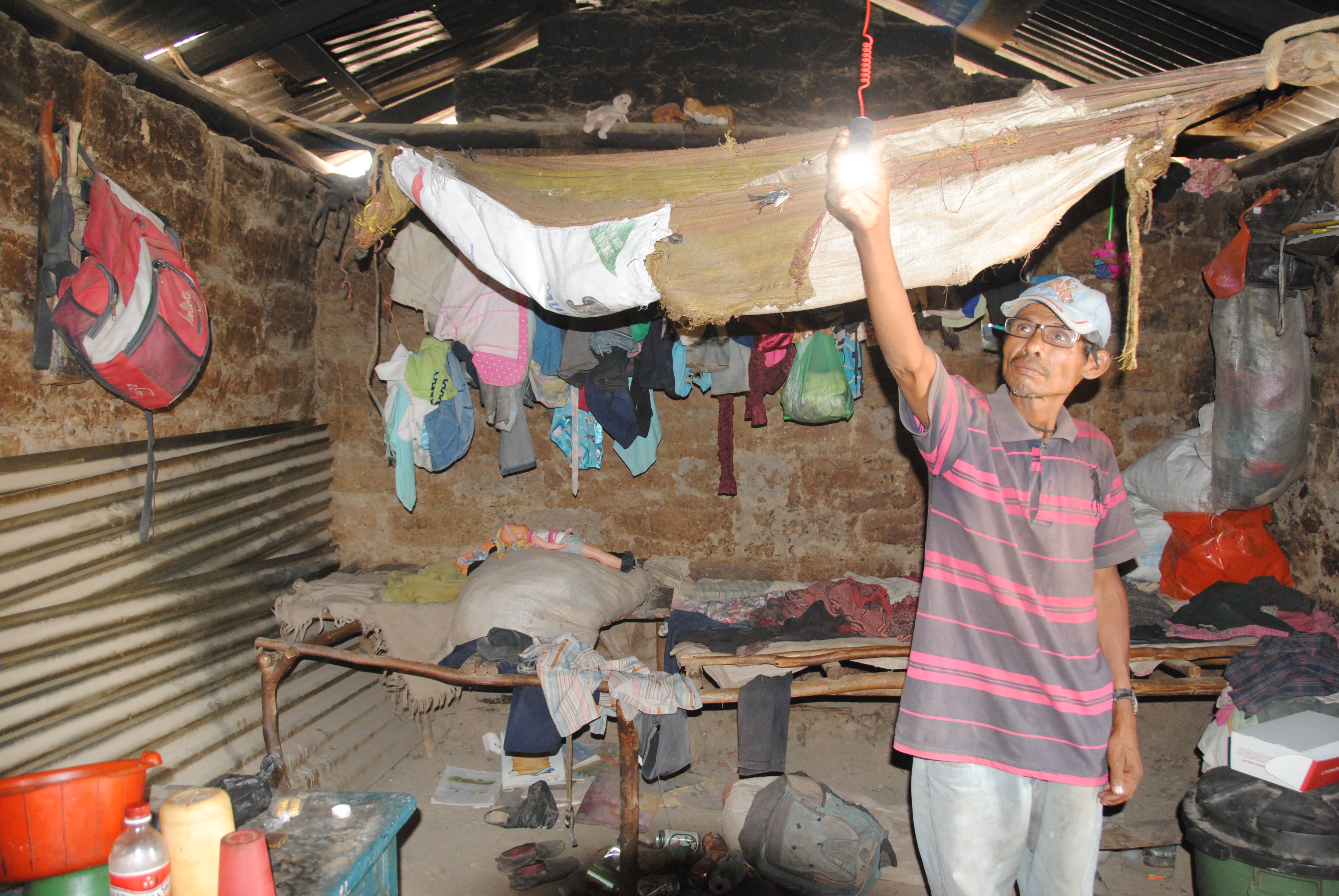
This room slept a family of four, including the youngest in the hammock behind the light
Overall it was a very worthwhile trip. It was clear that these families would benefit enormously from the lights they received. They can avoid the monthly cost of kerosene, their kids can study past 6pm, they can charge cell phones, and they now enjoy a modern convenience much of the world has taken for granted for a century.
The Fabretto team was fantastic and worked very hard. They are now in a position to keep going with installations. We learned a lot about peoples needs, installation challenges etc. and plan to reflect these lessons in future iterations of the product.
Thank you again to all of the Kickstarter backers for your contribution to these families and to Rosa who did such a great job capturing these images
Leave a Reply