
Our integrated, Lithium Iron Phosphate (LFP) battery solar systems reduce both upfront and long-term maintenance costs of remote deployments. In this post, we lay out the advantages of running a fleet of remote devices from our CORE Solar System vs a typical lead acid AGM-based system.
The bulk of the savings comes down to two key aspects:
- CORE is dramatically lighter and smaller which leads to lower shipping and labor costs during installation
- LFP cells have roughly 2X the lifespan of deepy cycle AGM in the field – this reduces truck rolls and battery replacement costs
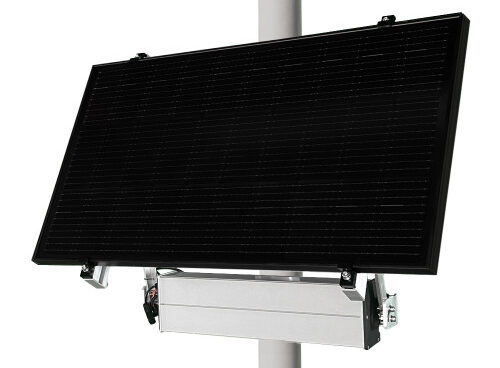
Shipping Costs – Battery and System Weights of Solar Powered Systems
Lead acid batteries are 1.8 times heavier than LFP cells on an Amp-hour basis.
LFP vs AGM Weight Comparison
|
Voltaic CORE LFP |
AGM-based System |
|
| Capacity |
96Ah |
100Ah |
| Weight (pounds) |
35 |
65 |
| Weight per Ah (pounds/Ah) |
0.36 |
0.65 |
The higher weight and bulk of an AGM battery system is substantial. A competitor 100W AGM solar system ships one system per pallet, versus 8 systems per pallet for Voltaic’s 100W CORE system. This can increase upfront costs by $300 per system.
System Weight and Shipping Costs
| Component |
AGM-based System |
|
| Solar Panel |
100 Watt |
85 Watt |
| Battery |
96Ah |
100Ah |
| Cost |
$1145 |
$1199 |
| Shipping Weight (pounds) |
64 |
142 |
| Systems per pallet |
8 |
1 |
| Shipping cost (per system) |
$100 |
$400+ |
Assembly and Installation Costs – Solar Powered Systems
A typical AGM installation uses a large NEMA enclosure to house a DIN-rail mounted charge controller and a battery strapped to the bottom of the cabinet.
The weight of a 100W AGM system will exceed OSHA’s limits for moving without mechanical assistance. In most cases, it will require two people to install.
In contrast, the 100W CORE system can often be installed by a single person and all components are below OSHA’s weight thresholds.
Replacement Costs – Lifecycles of AGM vs LFP Batteries
The lifetime of an AGM and LFP battery varies heavily based on depth of discharge. We recommend most customers have 5 days of runtime with no sun which translates to 20-30% depth of discharge on most days. 80-90% discharge is possible with stretches of bad weather.
Most sources indicate that LFP batteries will have twice as many cycles, cutting battery replacement costs and labor in half. Depending on location, that labor could easily be anywhere from $200 to $1,000 and up for a truck roll.
Approximate Cycle Life by Depth of Discharge (>80% Capacity)
| Depth of Discharge | Voltaic CORE | Deep Cycle AGM |
| 50% | 4000+ |
~1500 |
Conclusion – CORE LFP Can Reduce Fleet Costs
In addition to the hardware, the cost of a remote solar system deployment includes: shipping, labor and maintenance.
By reducing the weight and increasing the lifetime of the battery, Voltaic CORE systems cut the lifetime cost of a remote solar system.
Leave a Reply