
Passenger ferries in the Stockholm archipelago rely on a century-old system of mechanical semaphores to signal when someone is waiting to board. The problem is they are hard to see in fog, rain, snow, at night, or even overly sunny days.
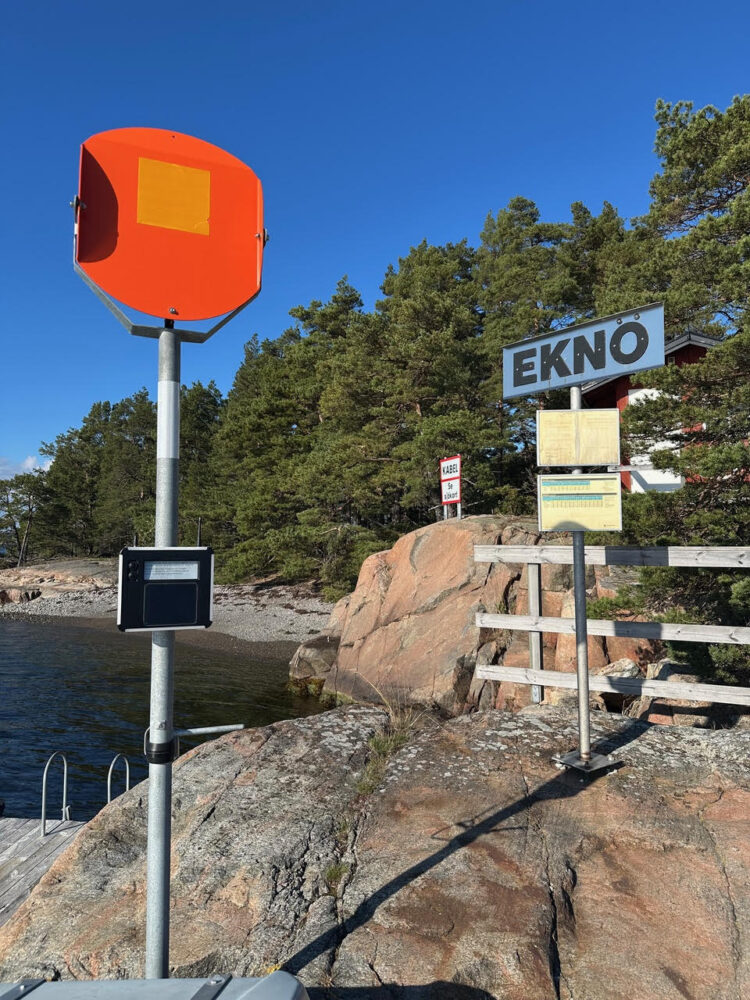
Göran Nordahl from Lohmega has equipped the semaphore with an accelerometer that detects whether it is raised or not and communicates this via BLE to a nearby base station. The base station then transmits the information over LoRaWAN via The Things Network, and the semaphore status is displayed on a digital timetable visible to the ferry captain. This allows the ferry to move at an efficient pace along the main route instead of detouring to every island to check for passengers. This reduces fuel and reduces the chance of the ferry captain skipping a stop when there is a waiting passenger.
The base station features an e-ink display, RGB LEDs around the perimeter, and a Voltaic 2 Watt (P126) solar panel for charging. The LEDs act as a visual aid for the captain when approaching the pier in complete darkness.
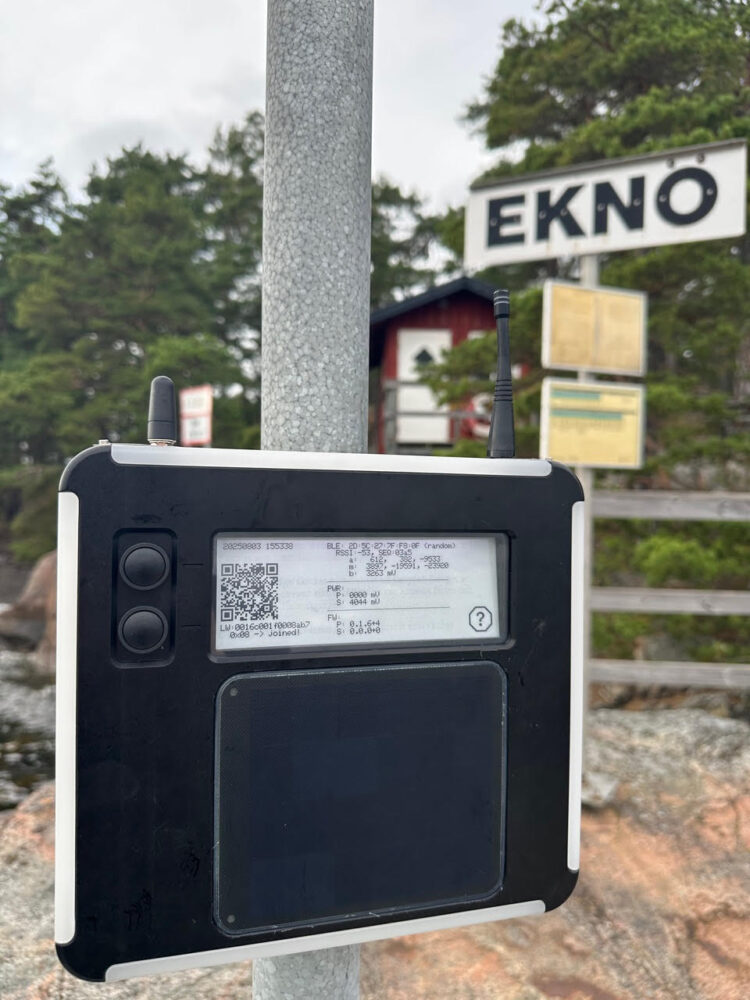
As always, the main technical challenges in a system like this are antenna design and power supply. The long, dark, and cold Swedish winter poses a major problem. CST Microwave Studio and Optenni helped in antenna development, while low-power design from Nordic Semiconductor’s nRF52840 , robust rechargeable MP Series batteries from Saft, and durable solar panels help address the power challenges.
Here’s a video of the semaphores in action.
Lohmega can add additional sensors, such as for wind direction and speed, water level, or wave height, into the base station.
Leave a Reply